
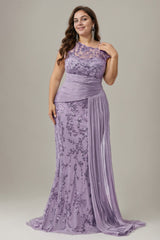
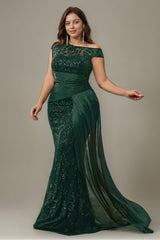


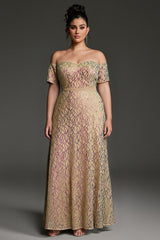


Curveins Accessories
Unveil fresh styles with our Curveins Accessories collection. Explore cutting-edge designs and standout pieces that add an instant upgrade to your wardrobe. Each accessory promises to inject personality and flair into your outfits. Act now—shop the newest arrivals and be the trendsetter with accessories that capture every eye!
Less
Featured
184 Results


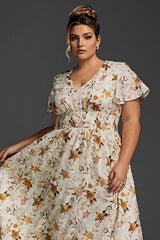
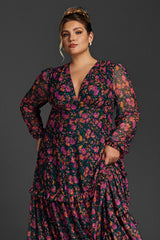


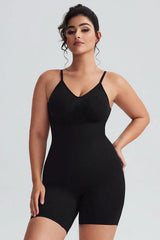


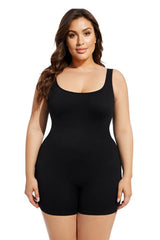


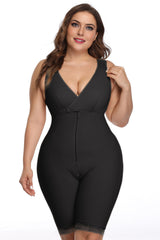
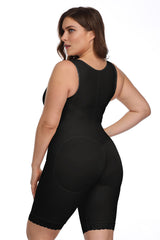
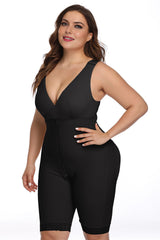
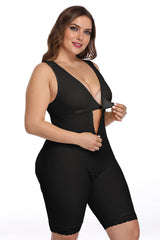
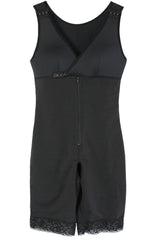
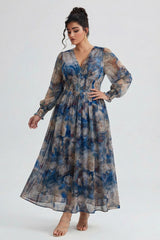
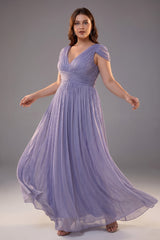
Begin with the dress neckline, sleeve and fabric. If the dress already has heavy embellishment, a quieter accessory may be enough; if it is simple, one larger detail can carry the look. Comfort and proportion matter more than matching every metal, color and texture exactly.
For a focused assortment, browse jewelry. For the dress itself, compare off-shoulder styles when the neckline will influence your jewelry choice.
Choose the bag after listing what you need to carry and how long you will carry it. Check the dimensions, closure, strap length and whether the strap can be adjusted. A smaller event bag and an everyday shoulder bag solve different problems; scale is a preference, not a body-shape rule.
Compare handbags with the outfit you plan to wear, and check product photographs for where the strap and bag sit.
For waist beads, start with where you want them to sit and measure that position rather than relying on a dress size. Check the stated length, closure or tie style, materials and whether adjustment is possible. A comfortable fit should suit how you plan to wear them.
When coordinating with an outfit, consider the fabric and rise of the garment as well as the beads themselves. Explore jewelry and body accessories for the wider assortment.
Accessories Questions: Everyday Details and Special Occasions
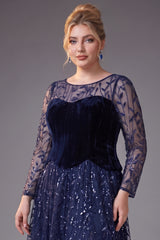
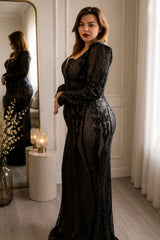
Either can work. Decide which element should lead—the dress, necklace, earrings, bracelet or bag—then keep the supporting pieces from competing at the same visual point. For a sequin dress, start with sequin dresses; for velvet, compare velvet dresses. Check comfort, closures and how the accessories feel through the full event.
For everyday use, prioritize capacity, closure and carry comfort. For an event, check that the bag holds your essentials without disrupting the outfit or becoming difficult to carry. Compare handbags by dimensions and strap details rather than choosing from photographs alone.