

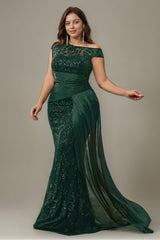


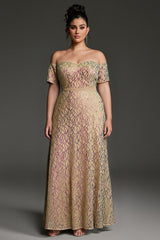


Plus Size Shapewear & Bra
Our collection of shapewear is designed to hug your body in all the right places, instantly enhancing your natural curves while providing all-day comfort. Say goodbye to wardrobe worries—whether you're slipping into a form-fitting dress or your favorite jeans, shapewear creates a flawless foundation, ensuring your clothes fit better and you feel your best.
MoreLess
Featured
24 Results
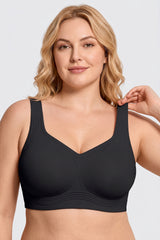
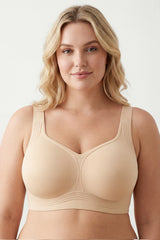
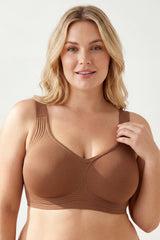
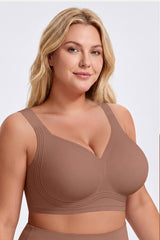
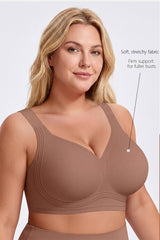
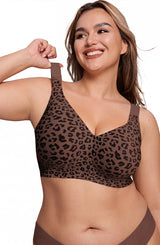
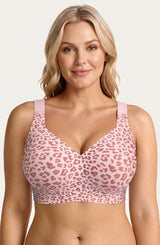
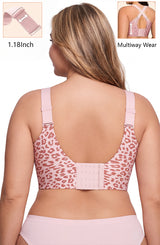
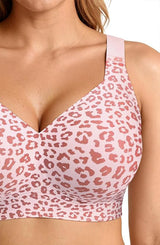
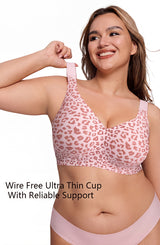
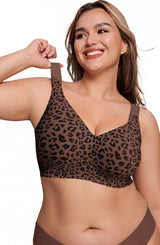
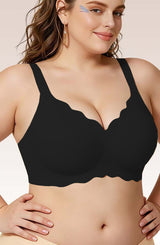
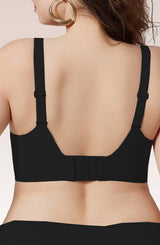

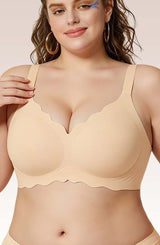
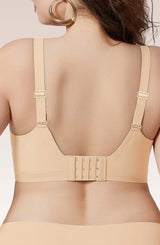
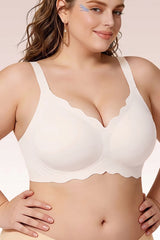
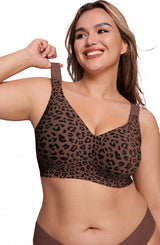
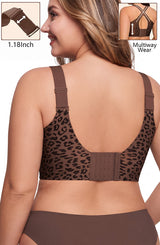
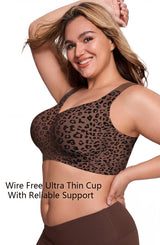
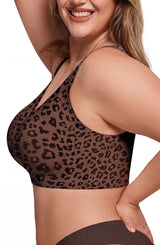
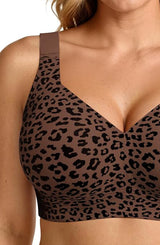

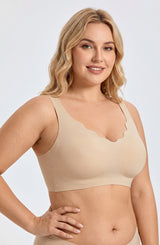
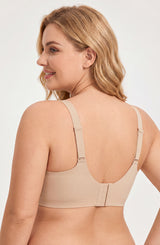
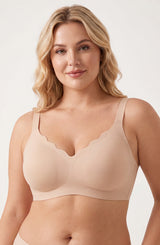
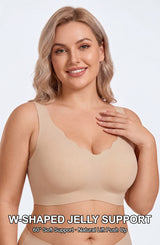
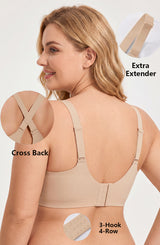
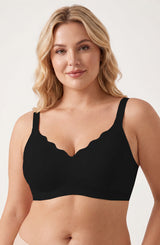
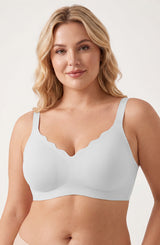
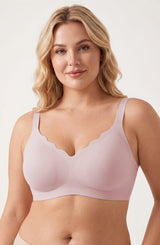
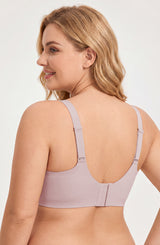
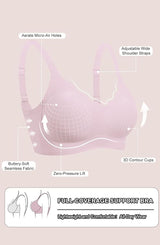
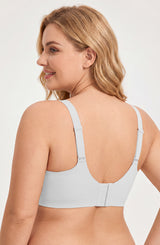
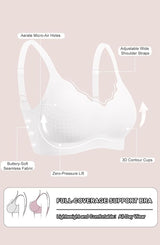
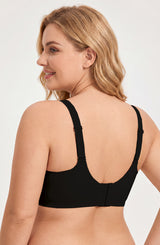
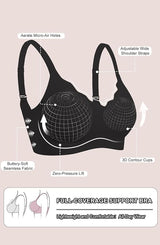
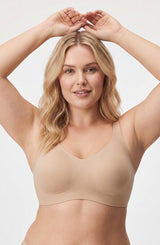
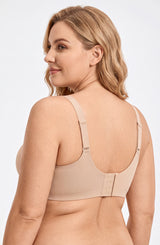
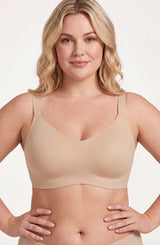
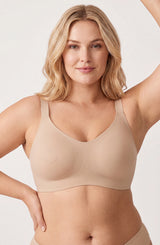
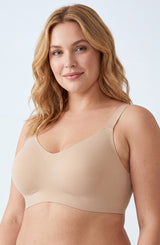
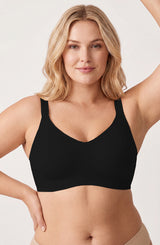
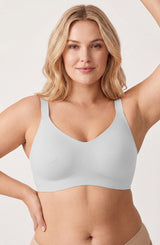
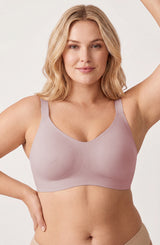
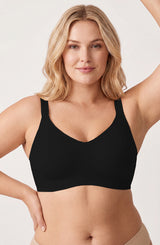
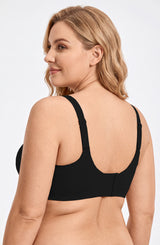
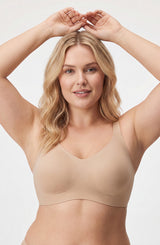
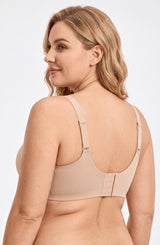
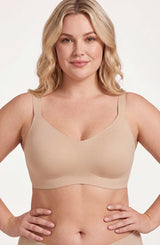
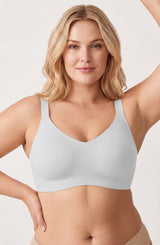
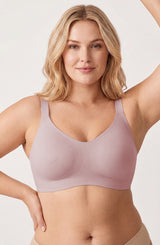
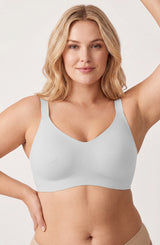
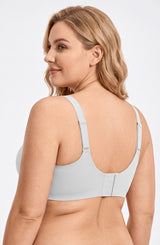
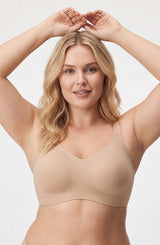
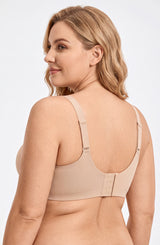
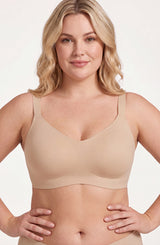
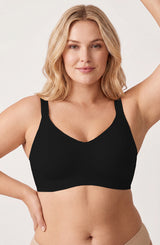
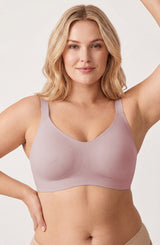
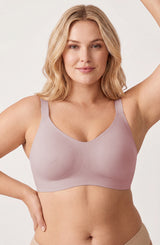
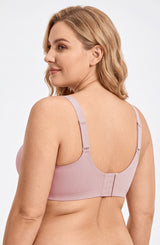
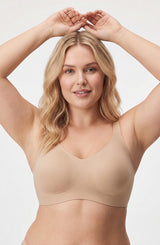
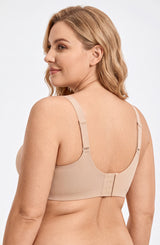
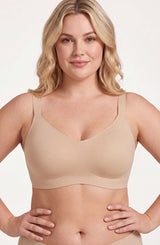
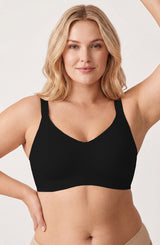
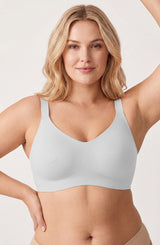
Start with the band and cups, not the dress size. A well-fitting band should feel secure and sit level without riding up, while the cups should contain breast tissue without cutting in or leaving unexplained gaps. Straps can refine the fit, but they should not be doing all the support work.
Compare the product size chart, cup construction, band closure and strap details. If measurements fall between sizes, follow the specific product guidance rather than assuming every brand uses the same fit.
For everyday wear, check the underband, cup coverage, fabric recovery and how the bralette feels after several hours. Bralettes are often wire-free, but support varies with the band, cup construction and straps; wire-free does not automatically mean either supportive or unsupportive.
Choose by your intended use—lounging, daily errands or layering under clothing—and inspect the product details for lining and adjustment instead of assuming every lace or seamless style behaves the same way.
Style starts after fit. Check whether the lace sits flat at the neckline and underband, whether the cups have lining and whether the straps and band provide the support you want. Lace texture can show through fine or close-fitting fabrics, so consider the outer layer as well as the bralette itself.
For a low neckline or special outfit, compare the visible lace edge with evening gowns and cocktail dresses. A decorative edge can be intentional, but coverage and opacity should match how you plan to wear it.
Check the product's measurement points and intended coverage area. For bodysuits or longer styles, torso length matters alongside bust, waist and hip measurements. A garment that is too short can pull at the shoulders or rise at the leg opening; one that is too long may fold or shift.
Do not size down to obtain more compression. Try sitting, walking and raising your arms, and check that you can breathe comfortably. Smoothing should not require pain, numbness or restricted movement.
Plus Size Intimates: Bralettes, Panties and Compression Wear
Compare more than the ticket price: check band construction, cup coverage, lining, strap details, fabric care and the returns terms for intimate items. In this shapewear and bra collection, use the individual product measurements and intended support level to narrow the options before comparing price.
Filter your choices by rise, coverage, fabric and leg opening, then use the product size chart rather than assuming your dress size transfers directly. Look for clear product photographs and measurement information. Comfort depends on both size and cut, so a different rise may solve a problem that sizing up does not.
Shapewear is too tight if it causes pain, numbness, chafing, breathing difficulty or restricted movement. Rolling, digging in or needing to size down are not reliable signs of better smoothing. Follow the garment's size chart and intended use, and choose a different cut or compression level if it remains uncomfortable.
Fashion shapewear is not a substitute for medical compression garments or clinical advice.