



Featured


-10%
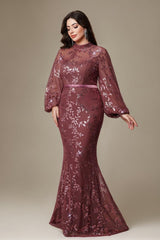
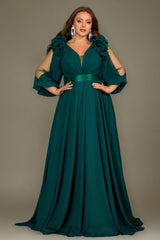
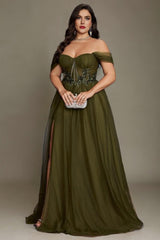
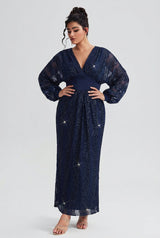
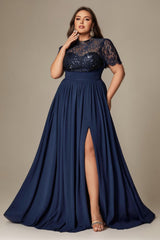
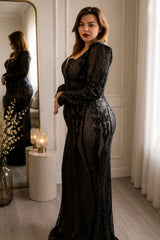
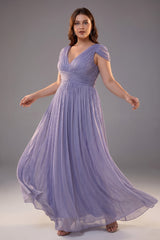
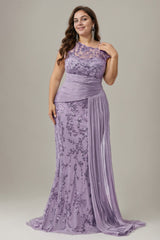
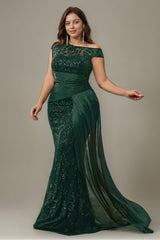
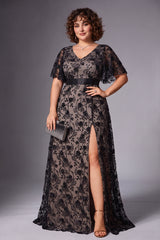
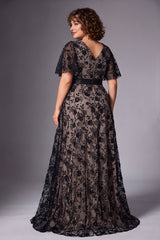
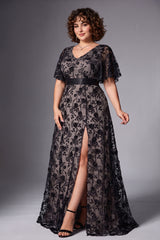
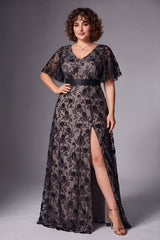
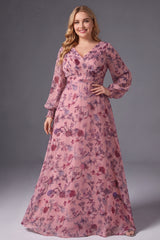
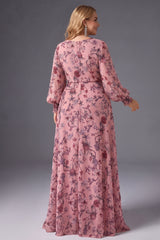
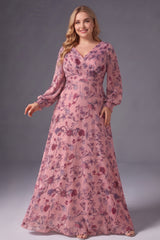
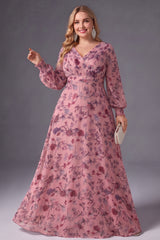
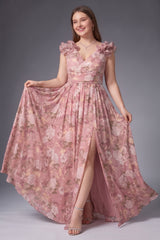
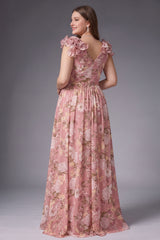
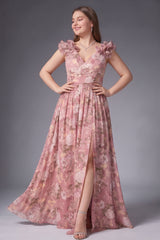
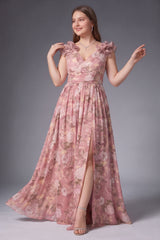
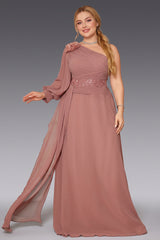
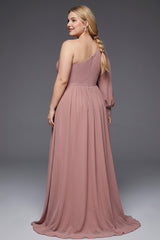
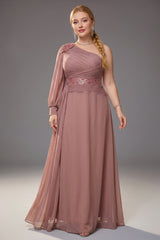
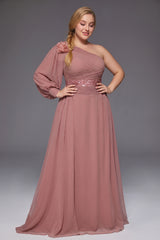
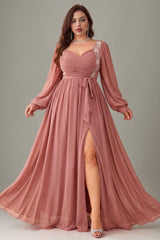
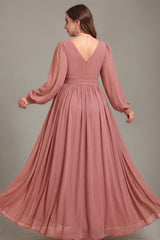
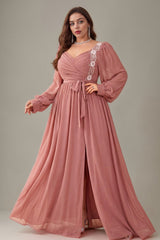
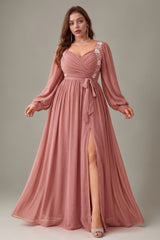
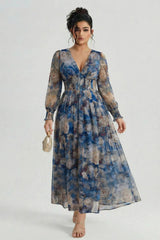
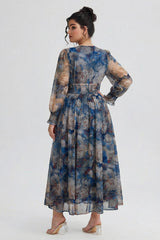
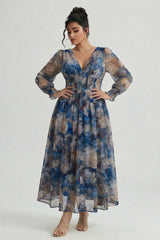
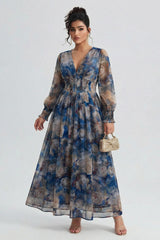
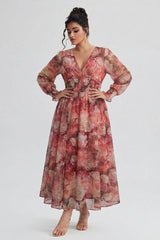
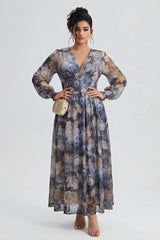
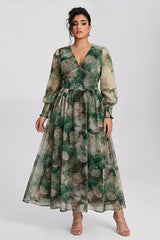
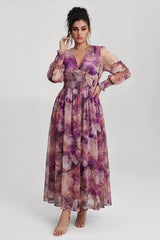
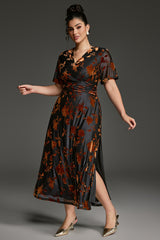
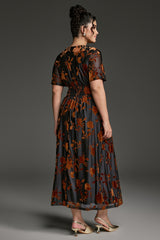
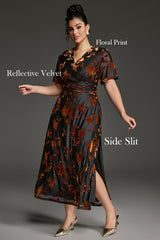
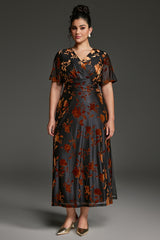
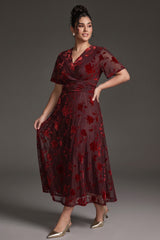
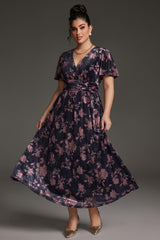
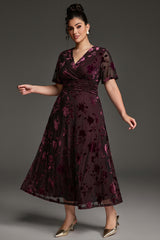
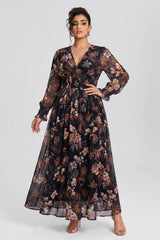
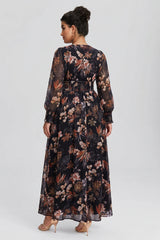
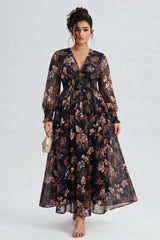
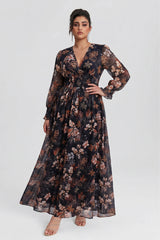
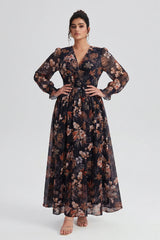
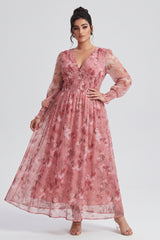
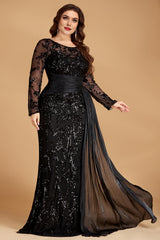
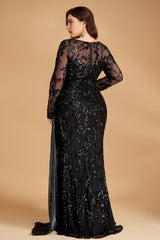
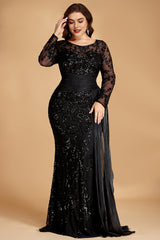
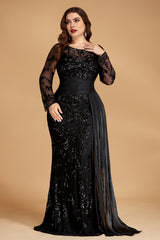
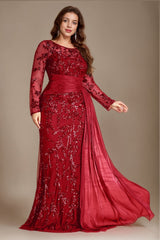
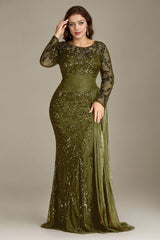
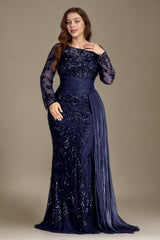
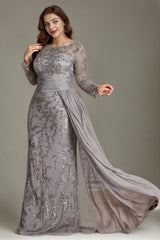
Curveins Plus Size Round Neck Embroidered Tie-Sash Bodycon Maxi Dress
$178.99
$198.99
Save $20.00
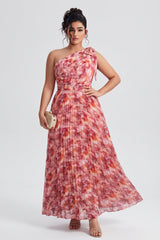
'Are floral patterns flattering for plus size figures?' is a real, repeated prompt in our research — and it deserves a real answer. Yes, when the print is in scale. The rule: motifs roughly the size of your hand span or smaller flatter most; giant blooms wider than your torso can wear you instead. Equally important is spacing — prints with breathing room between motifs read cleaner than dense wall-to-wall patterns.
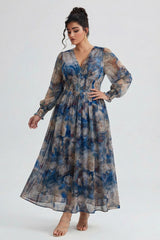
The base color does half the work. Dark-ground florals (navy, black, deep green with blooms on top) are the most forgiving entry point and work year-round; light-ground florals (white, blush, sky) read spring and summer and photograph beautifully outdoors. If you're new to prints, start dark-ground and small-to-medium scale — it's the combination nobody regrets.
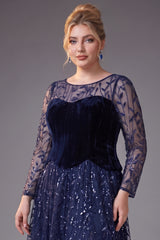
The fastest-growing corner of floral demand in our data isn't printed at all — it's dimensional. 3D floral appliqué and embroidered dresses ('3d floral dress', 'floral embroidered dress', wildflower embroidery prompts) are where florals go formal: texture instead of ink, so the dress reads occasion-wear rather than daywear. These are the pieces for weddings, garden parties, and events where a printed sundress isn't enough but sequins would be too much.
Styling them is simpler than prints: the dress carries the detail, so shoes and jewelry stay quiet and solid-colored, pulling one tone from the flowers. For full formal options beyond florals, see evening gowns.
Florals are the natural wedding-guest print — garden, vineyard, and spring or summer ceremonies are exactly their home. The rules that matter: skip white-ground florals (too close to bridal in photos), skip anything with heavy ivory or champagne, and match the scale of the print to the formality — ditsy and small prints read casual, larger painterly or 3D florals read dressy.
For fall and winter weddings, don't abandon florals — switch grounds. A dark floral in chiffon or velvet reads perfectly seasonal and sidesteps the sea of solid burgundy. The full occasion guide lives in wedding guest dresses, and the fall-winter palette overlaps with burgundy dresses and green dresses.
'Fall dresses' and 'winter dress' prompts show up even in floral research, because shoppers love the print and refuse to retire it. The translation is simple: darker grounds, heavier fabric, longer sleeves. A dark-ground floral midi with sleeves and ankle boots is a fall uniform; add tights and a tailored coat for winter. What retires after Labor Day is the light-ground sundress, not the flower.
Sleeved and longer options: long sleeve dresses and maxi dresses. For the warm-weather originals, vacation dresses carries the resort-weight end.
The everyday floral question is really a versatility question: one dress, many contexts. A knee-length or midi floral in a soft knit or viscose covers brunch, errands, casual Fridays, and dinner with a shoe swap. Let the print carry the outfit — solid cardigan, denim jacket, simple flats — and skip competing patterns entirely.
Fit notes specific to prints: a defined waist keeps a busy pattern grounded (wrap and belted styles do this automatically), and vertical elements in the print — trailing vines, columned blooms — lengthen. Browse by length: midi dresses and mini dresses, or the softer palette in pink dresses.
Floral Dress Questions, Answered
Yes, when the print is in scale — motifs about the size of your hand span or smaller, with space between them, flatter most. Dark-ground florals (navy or black base) are the most forgiving starting point and work year-round; light grounds read spring and summer. The other half of the answer is silhouette: a defined waist grounds any print.
Yes — florals are the natural wedding-guest print for garden, vineyard, and warm-weather ceremonies. Skip white- or ivory-ground florals (too close to bridal in photos), and match print scale to formality: small ditsy prints read casual, larger painterly or 3D florals read dressy. For fall and winter weddings, switch to dark-ground florals. Full rules in our wedding guest guide.
Dresses with dimensional flowers — appliqué, embroidery, or fabric petals sewn onto the dress — instead of a printed pattern. They're the formal end of floral: texture reads occasion-wear where prints read daywear, which makes them the pick for weddings and garden parties when a sundress isn't enough but sequins are too much.
Absolutely — change the ground, not the print. Dark-ground florals in chiffon or velvet with sleeves read perfectly seasonal; pair with ankle boots, tights, and a tailored coat. What retires after summer is the light-ground sundress, not the flower. See long sleeve dresses for the cold-weather cuts.
Pull one color from the print and stay solid everywhere else — nude, white, tan, or a matching tone from the blooms. Denim jackets and solid cardigans layer cleanly; skip competing patterns entirely. The print is the outfit's statement; everything else's job is to not argue with it.
Almost everything daytime-to-dressy: brunches, garden parties, showers, vacations, weddings (as a guest), and casual offices. The two places to pause: very formal evening events (choose evening gowns instead) and somber occasions, where a solid dark dress is the safer read.
They're the default right answer — showers are daytime, celebratory, and often outdoors, which is exactly floral territory. A midi in a soft print with wedges or block heels covers nearly every shower. As a guest avoid white grounds; the guest of honor can wear whatever she likes.